


This year, Sequence Events marks its 15th anniversary! Over the past decade and a half, we’ve seen and done a lot. From activations at Cannes Lions to forums and symposiums, our team has had a front-row seat (and a behind-the-scenes look) at the event industry’s evolution and trends. While some concepts have slowly faded away, others have become mainstays.
Of course, new ideas continue to pop up and the SEQ team is always on the pulse of what’s working right now. From nostalgic themes and no-phone policies to smart integration of AI, here’s what we’re seeing—and loving—within the event space at the moment.
1. Building Discovery Into Events
Whether attendees earn points by scanning QR codes or uncover a secret room via clues, events are becoming more about discovery and wonder as a way to keep attendees engaged.
By incorporating hidden moments, scavenger hunts, QR trails, collectibles, and little surprises, an experience rewards attendees for exploring and blazing their own path in a sense—as opposed to funneling everyone through the same experience.
2. Leaning Into Nostalgia
Retro event themes like the ‘60s and ‘70s have always been a go-to concept. And now that the world is AI-focused, attendees are even more excited to encounter things they recognize and that they can seek comfort from. Think vinyl records, typewriters, stamps, handwritten notes, and other analog touches.
With attendees showing a greater yearning for the past and new generations running the workforce, event design is taking note by incorporating nods to the ‘90s and Y2K, in particular. Elements like velour fashion, early-millennium snacks like Pizza Rolls, old CDs, inflatable furniture, and disposable cameras are finding their way back into the party scene.
3. Going No Tech
Some events are going a step further and ditching tech altogether in favor of fostering real connections face to face. Because of our digitally-dominated lives, the true value of events—building relationships—has risen back to the top.
With this in mind, clients are asking attendees to store their phones and embrace the moment. This trend was evident at Pinterest’s Manifestival activation at Cannes Lions, as well as at Coachella.
4. Handing Out Swag That Attendees Actually Want
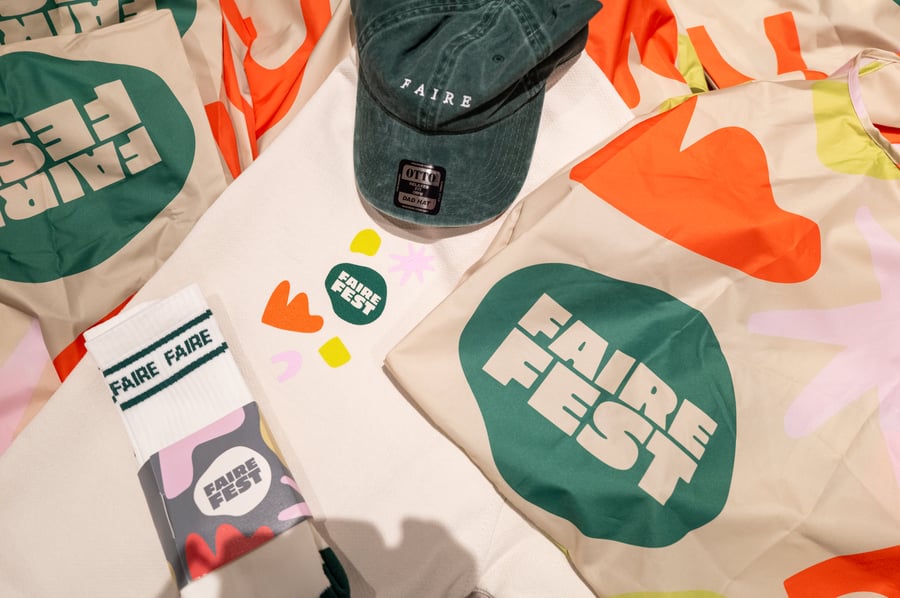
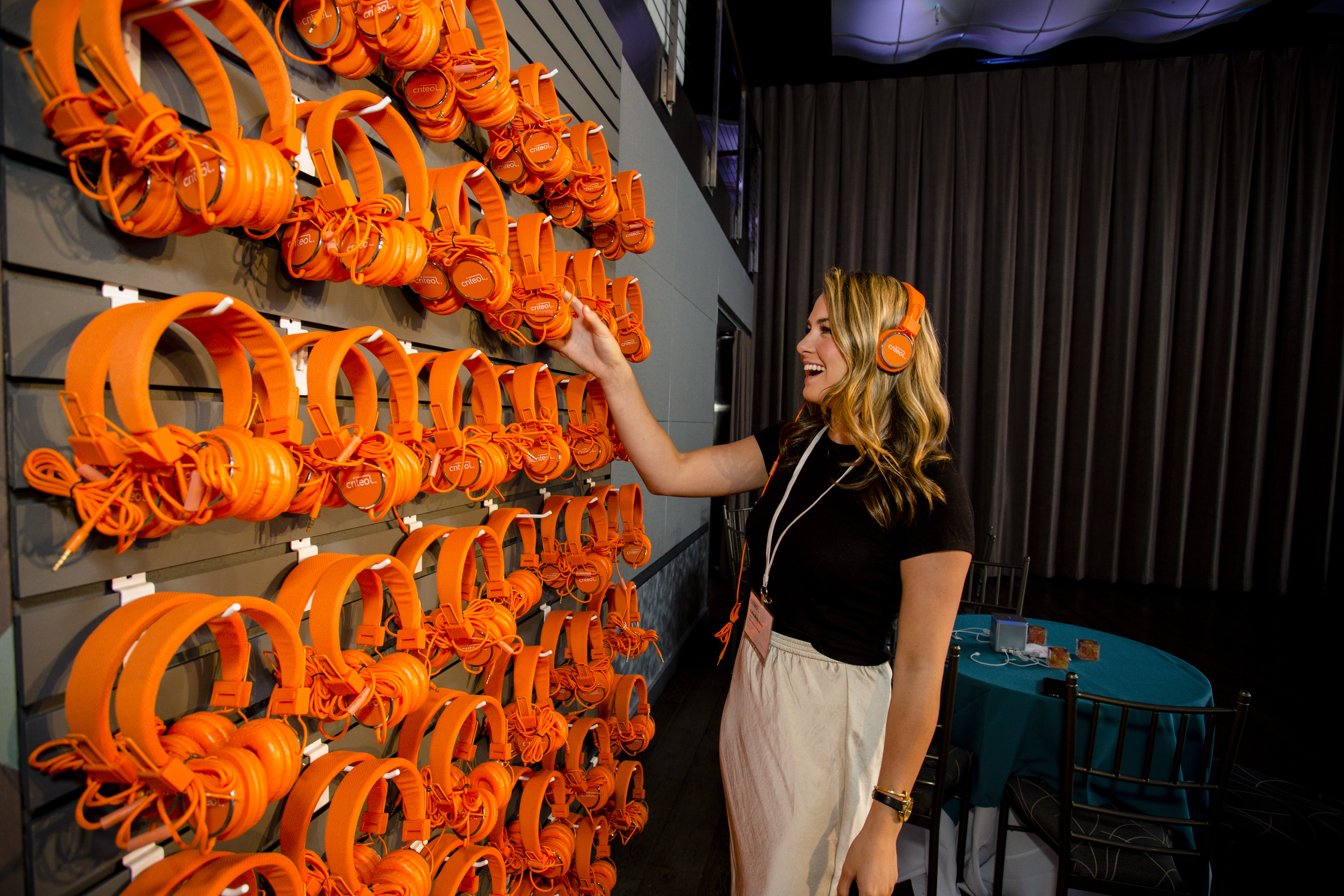
As we’ve seen, event swag continues to evolve, with items becoming more sustainable, personal, and just plain cooler.
For example, the Chipolo cards (thin, rechargeable Bluetooth wallet trackers) that GumGum offered attendees at the POSSIBLE conference or the AirTag holders that advertising and content recommendation platform Taboola gave to guests at the conference served as actually useful mementos from the experience.
Taking it to the next level, Pinterest hosted its own tattoo parlour yet again at Cannes Lions, offering attendees a permanent reminder of their time in France.
5. Adding AI Into the Mix
The hottest topic right now—AI—continues to work its way into more events. And while it might feel like a stretch for some brands, it's also a core component for many of our clients. The key is to thoughtfully integrate the tech into the event in a way that feels truly owned by the client and may even reflect how their product or offering actually uses AI behind the scenes.
6. Getting Personal
When it comes to designing an effective event, one size does not fit all. Nowadays, attendees crave bespoke, personalized experiences. Think embroidery stations, portrait artists, and choose-your-own-swag shops, as well as more micro event topic tracks or networking-style choices.
7. Doing It Yourself
On a similar note, DIY, hands-on opportunities, such as workshops blending your own signature scent or building a bouquet, combine the personalization element with an engaging activity and maybe even some socializing—offering a three-for-one benefit.
8. Making the Venue Work For You
There’s a real science to venue selection, and choosing the right location (and using it to its full advantage) is key to your event’s success. Leaning into a venue's inherent architecture, character, and constraints gives an event’s design authenticity that can't be fabricated.
This includes weaving the venue into the creative messaging of an event. From the moment a guest walks into a space, they become part of the story.
9. Highlighting the Destination
Along those same lines, events draw inspiration from their locale. Whether that’s spotlighting local businesses or incorporating activities that are intrinsic to the area, out-of-town attendees appreciate the chance to explore beyond the venue.
10. Limiting Overt Branding
Rather than adding a company logo to every stable surface in a space, events can express ownership through brand character, voice, and a visual language—creating an experience that feels unmistakably of the brand without ever having to say it explicitly.
For example, when SEQ produced RevenueCat’s flagship customer conference at NYC’s Glasshouse, the team designed a striking visual identity, with full-gradient graphic treatments at arrivals, registration, and the mainstage, creating an energetic, on-brand environment.
11. Accommodating Neurodiversity
Because it’s important to acknowledge that not every attendee has the same energy level, more clients are now asking the SEQ team to create different "modes" throughout a venue in order to offer a sense of balance—such as a lively social space for those looking to mingle and another area for attendees who need a quiet place to recharge.
12. Making Sustainability Effortless
Eco-conscious event design is no longer a trend but an expectation—without sacrificing creativity. Clients are requesting reduced waste culinary programs, energy efficient lighting, and minimal single-use materials.
For example, at IMEX America, a trade show for the business events industry, attendees are encouraged to add unwanted items to on-site donation bins, which are then distributed to local schools and charities.
By incorporating simple operational adjustments, an event can be sustainable without compromising the attendee experience.
13. Keeping It Small
A lasting side effect from the pandemic is micro events. With a focus on cost and community building, more intimate gatherings (think 20–100 attendees) allow for greater networking and meaningful interactions.
For example, larger organizations may host regional meetings, or follow a hub-and-spoke event model, where a flagship event is supplemented by smaller satellite events.
14. Being Mindful About Wellness
Instead of back-to-back sessions and a jam-packed agenda, events are now offering more balanced programming, as well as lounges, quiet spaces, movement breaks, and healthier catering options.
Providing hydration stations, natural lighting, mindful scheduling, and comfortable environments help to enhance attendee satisfaction and reduce burnout.
15. Activating the Five Senses
Events are leaning into emotion and memory with multisensory experiences that create lasting impressions. Think lighting, soundscapes, and scents that can guide emotional responses. People remember how events felt, not just what they learned. A conference with great content but a sterile environment won't stick in their minds the way an event with thoughtful design will.
As attendees seek connection more than ever, event concepts are taking on a more thoughtful, intentional approach. And that’s what the SEQ team offers our clients—an event strategy that is of-the-moment but offers lasting value.
Ready to build your event? Learn how Sequence can help you.